

Unraveling the Spike Protein: What Science Now Reveals
Unraveling the Spike Protein: What Science Now Reveals

Source: The Wellness Company, Dr. McCullough
Unraveling the Spike Protein: What Science Now Reveals
Download the Full Guide: Get the complete breakdown of spike protein mechanisms, symptoms, and recovery strategies here: Download the Guide
At no other time in history has the world faced a pathogen quite like SARS-CoV-2. Emerging from laboratory research in Wuhan, China, this virus and its unique spike protein has led to widespread and lasting health challenges.
Today, millions are still suffering not only from viral infection but also from the effects of mRNA-based COVID-19 vaccines, which instruct the body to produce a version of the spike protein.
This guide focuses on the spike protein, the component responsible for much of the virus’s pathogenicity, and how it contributes to disease both after infection and vaccination. By understanding how the spike protein damages tissues and organs, you can make informed, evidence-based decisions to help regain your health and support those you love.
In This Guide You Will Learn
- How the spike protein harms the body
- Why symptoms can persist long after recovery or vaccination
- What side effects are linked to mRNA vaccination
- Research-backed supplements, therapies, and holistic strategies for recovery
Unlike a machine that can have a broken part simply replaced, the human body is an intricate system of organs, fluids, and tissues working together. Healing from spike protein-related injury requires a multi-faceted, holistic approach. There is no single solution.
This guide offers science-backed tools to support your recovery journey and help you feel more like yourself again.
What Is the Spike Protein?
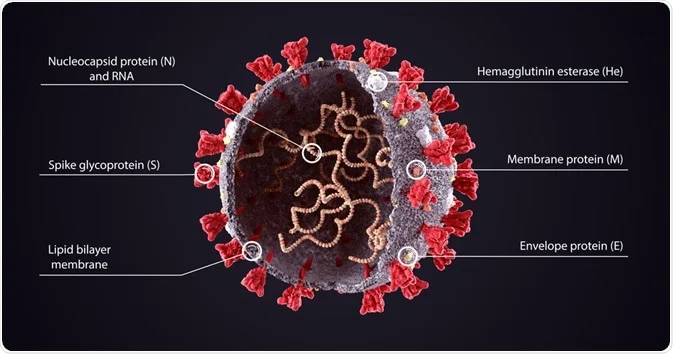
The spike protein is a structural component found on the surface of the SARS-CoV-2 virus. It plays a key role in allowing the virus to infect human cells.
In addition to natural infection, the spike protein is produced by the body after receiving mRNA-based COVID-19 vaccines. These vaccines contain genetic instructions packaged in lipid nanoparticles that instruct human cells to make spike proteins.
Importantly, research shows that the spike protein itself, independent of the whole virus, can cause serious side effects, including blood clotting and inflammation of the heart (myocarditis).¹
How Is the Spike Protein Different From a Virus?
The spike protein is one part of the SARS-CoV-2 virus, not the entire virus itself. However, research indicates that the spike protein alone is highly toxic and can cause damage even without the presence of the full virus.
How Does the Spike Protein Enter Human Cells?
The spike protein binds to a receptor on human cells called ACE2, which acts like a doorway.
Once attached, the spike protein allows the virus, or the spike protein itself, to enter the cell and begin causing harm.²
ACE2 Receptors and Where They Are Found
ACE2 receptors act as the entry point for both the SARS-CoV-2 virus and the spike protein. These receptors are widely distributed throughout the body.
They are especially concentrated in:
- The lungs
- The heart
- The kidneys
- The gastrointestinal tract
- The lining of blood vessels
When the spike protein binds to these receptors and enters cells, it can trigger inflammation, blood clotting, tissue damage, and disruption of normal organ function.³
This widespread presence explains why spike protein-related injury can affect multiple organ systems and lead to a wide range of symptoms.
Why Are Some Individuals More Susceptible?
Several factors influence an individual’s risk of developing severe illness after infection or vaccination:
- Age, with older adults at higher risk
- Overall health status
- Pre-existing conditions such as diabetes, heart disease, or obesity
- Environmental exposures
- Access to effective early treatment⁴
Lab-Origin Spike Protein vs. Vaccine-Generated Spike Protein
The spike protein found on the outer coat of the SARS-CoV-2 virus has a unique feature not observed in naturally occurring viruses. This feature is known as a polybasic furin cleavage site, also referred to as a multi-basic cleavage site.
The presence of this feature strongly suggests that the spike protein found in SARS-CoV-2 was lab-generated and did not arise naturally.
By contrast, the earlier SARS-CoV-1 virus did not contain this cleavage site.
The spike protein produced by the body after receiving the mRNA injection is almost, but not exactly, identical to the spike protein found in the virus.
The mRNA injection contains:
- Synthetic mRNA, PEG, and lipid nanoparticles
- A genetic code that instructs human cells to produce the full-length spike protein held in a prefusion conformation
This differs from the spike protein found on the virus itself.
Additionally, the spike proteins produced after mRNA vaccination include two amino acid substitutions not found in the viral spike protein.⁵⁶⁷
The Role of Glycans in the Spike Protein
Glycans are sugar molecules that attach to the surface of the spike protein, forming what is known as a glycan shield. This coating plays a role in how the virus interacts with the immune system.
Key functions include:
- Immune camouflage by covering regions that would normally be detected by the immune system
- Mimicking human molecules, making it harder for the immune system to distinguish the virus
- Stabilizing the spike protein in a form that enhances its ability to bind to cells
In summary, glycans help protect the spike protein from immune detection while also improving its ability to enter human cells.
A Holistic Approach to Recovery
The human body is an interconnected system. Addressing spike protein-related injury requires a comprehensive approach that supports multiple systems at once.
There is no single solution. A combination of strategies is often needed to support recovery and restore balance.
Final Thoughts
As research continues to evolve, understanding the role of the spike protein remains an important part of navigating long-term health outcomes.
This guide is intended to provide insight and direction as you explore options to support recovery and overall well-being.

How to Set Up Your Free DSS Dispensary
Doctors Supplement Store offers healthcare providers a free, fully managed dispensary to support patients with high-quality supplements. If you plan to offer BPC-related products or other advanced protocols to your clients, you can create a dispensary in just a few minutes.
Click Here to Get StartedRecent Articles
How to Replace Complexity With Clarity in Your Backend
Healthcare practitioners often find that managing an in-house dispensing operation, from inventory logistics to supplier minimums, diverts significant time from patient care. Research indicates that clinicians spend...

The Case for an All-in-One Supplement Solution
Healthcare providers routinely integrate dietary supplements into patient protocols, yet managing the operational backend often detracts from direct clinical care. Coordinating recommendations across isolated...