


In the health and wellness marketplace, targeted marketing often reduces collagen to a simple cosmetic fix for fine lines, brittle nails, and thinning hair. While aesthetic improvements are a frequent outcome of supplementation, this narrow focus overlooks the broader physiological functions of the molecule. Providing targeted support through hydrolyzed collagen peptides gives healthcare practitioners a powerful clinical tool.
Collagen is the primary structural protein in the extracellular matrix (ECM), making up roughly 30% of total body protein and serving as the primary biological scaffold for connective tissues. Beyond cosmetic applications, these bioactive compounds support mucosal lining integrity, articular cartilage maintenance, bone matrix density, and vascular flexibility.
The Biochemistry of Bioactive Collagen Peptides
To understand the systemic therapeutic impact of collagen, clinicians must look at its structural makeup and absorption pathways. Collagen molecules in their intact form are large triple-helical proteins with a high molecular weight (~300 kDa), making direct intestinal absorption inefficient. Enzymatic hydrolysis breaks these native proteins down into low-molecular-weight collagen peptides (typically 2 to 5 kDa).

These short-chain oligopeptides, rich in amino acids like glycine, proline, and hydroxyproline, resist complete gastrointestinal degradation. Small bioactive dipeptides and tripeptides (such as proline-hydroxyproline) cross the mucosal barrier via the peptide transporter PEPT1. Once in circulation, these peptides act as functional signaling molecules. They bind to specific cell surface receptors on fibroblasts, chondrocytes, and osteoblasts, triggering cellular proliferation and upregulating the synthesis of native extracellular matrix components.
Systemic Clinical Applications Beyond Dermatology
Beyond aesthetic improvements, targeting the extracellular matrix with specific collagen formulations offers measurable therapeutic leverage across multiple non-dermatological systems.
1. Gastrointestinal Health and Mucosal Integrity
Intestinal hyperpermeability occurs when tight junction proteins between enterocytes degrade, allowing lumenal antigens and endotoxins to pass into systemic circulation. The structural framework of the gut mucosa relies heavily on a stable collagen infrastructure.
- Epithelial Maintenance: The constituent amino acids in bioactive peptides, specifically glycine, proline, and glutamine, are essential building blocks for repair. Glycine supports mucosal cellular regeneration, while glutamine acts as a primary fuel source for enterocytes.
- Tight Junction Support: Research indicates that supplementing with bioactive collagen peptides can help upregulate tight junction protein expressions (such as occludin and zonula occludens-1), reinforcing the physical barrier of the gut lining and aiding protocols for patients with chronic GI inflammation or dysbiosis.
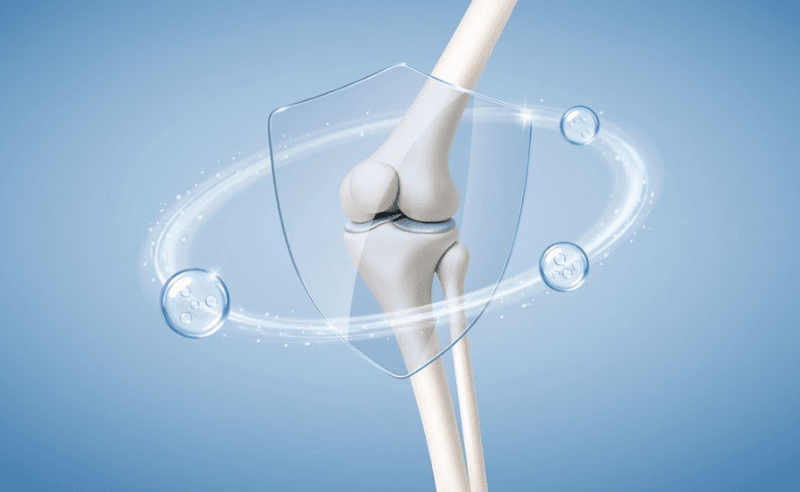
2. Articular Cartilage and Joint Architecture
Osteoarthritis and overuse injuries stem from an imbalance between the breakdown and synthesis of the articular cartilage matrix. Type II collagen is the primary structural component of hyaline cartilage, offering tensile strength and load-bearing capacity.
- Chondrocyte Activation: Ingested peptides accumulate in cartilage tissue, where they directly stimulate chondrocytes to increase production of aggrecan and endogenous Type II collagen.
- Symptom Reduction: Clinical studies demonstrate that daily supplementation helps reduce exercise-induced joint pain, improve range of motion, and slow progressive cartilage wear in aging populations.
3. Tendon, Ligament, and Connective Tissue Remodeling
Dense fibrous connective tissues like tendons and ligaments are composed primarily of Type I collagen. Since these tissues receive lower blood supply than muscle tissue, recovering from tears, sprains, or tendinopathies can be slow.
- Tenocyte Proliferation: Supplementing with targeted bioactive peptides upregulates tenocyte proliferation and accelerates matrix remodeling following mechanical stress.
- Injury Prevention: Improving the load-bearing capacity and elasticity of tendons and ligaments reduces the risk of recurrent soft tissue injuries in active or aging individuals.
4. Bone Matrix Density Beyond Mineralization
While bone health conversations often center around calcium, magnesium, and Vitamin D3, bone tissue is fundamentally a mineralized collagen matrix. Type I collagen forms a flexible structural grid upon which hydroxyapatite crystals mineralize.
- Organic Matrix Support: Without a strong collagen matrix, bones become brittle regardless of mineral intake.
- Bone Turnover Balance: Clinical research shows that specific collagen peptides stimulate osteoblast activity while moderating osteoclast-mediated resorption, helping maintain bone mineral density in postmenopausal women and older adults.
5. Vascular Flexibility and Cardiovascular Health
Blood vessels require elasticity and structural strength to manage pressure changes. Type I and Type III collagen form the structural framework of the adventitia and media layers within arterial walls.
- Arterial Compliance: Age-related arterial stiffness correlates with structural breakdown in the vascular matrix.
- Endothelial Function: Regular peptide intake supports arterial elasticity, helping maintain healthy vascular compliance and overall circulatory efficiency.
Co-Factors for Optimal Matrix Synthesis
Recommending bioactive peptides is often only the first step in supporting tissue synthesis. Endogenous cross-linking and maturation of new collagen fibrils depend on key micronutrients:
- Vitamin C: Serves as an essential co-factor for prolyl hydroxylase and lysyl hydroxylase, the enzymes responsible for stabilizing the collagen triple helix.
- Zinc and Copper: Act as vital catalytic components for lysyl oxidase, an enzyme that creates covalent cross-links between collagen molecules to give tissues tensile strength.
- Silica: Plays an enzymatic and structural role in cross-linking glycosaminoglycans within the extracellular matrix.
Implementation Strategies for Integrative Practices
When selecting professional-grade peptide formulations, clinicians should verify that products use hydrolysates from pasture-raised, grass-fed bovine or sustainably sourced marine origins to ensure purity and avoid heavy metals or contaminants.
| Target Area | Primary Collagen Types | Typical Clinical Dosing Range | Key Synergistic Nutrients |
|---|---|---|---|
| Gut Mucosa & Barrier | Types I & III | 5g – 20g daily | L-Glutamine, Zinc Carnosine, Deglycyrrhizinated Licorice (DGL) |
| Joint & Cartilage | Type II (or Bioactive Peptides) | 2.5g – 5g daily | Hyaluronic Acid, Chondroitin Sulfate, MSM, Boswellia |
| Bone Density & Matrix | Type I | 5g – 10g daily | Vitamin D3, Vitamin K2, Calcium, Magnesium |
| Tendons & Ligaments | Types I & III | 10g – 15g daily | Vitamin C, Copper, Silica |
Integrating therapeutic-grade collagen peptides into patient protocols offers a practical, science-backed approach to supporting full-body tissue integrity.
Streamlining Practitioner-Grade Protocols with Doctors Supplement Store
Implementing targeted supplement protocols requires a reliable way for patients to access authentic, professional-grade formulations. Partnering with Doctors Supplement Store (DSS) allows healthcare practitioners to offer top-tier collagen and therapeutic products and supplements without managing physical inventory.
- Eliminate Inventory Overhead: Recommend professional-grade products from trusted brands through your personalized online dispensary, freeing up resources and space.
- Ensure Product Quality and Authenticity: Guarantee patients receive genuine, quality-controlled supplements with 99.99% order accuracy and fast shipping.
- Improve Patient Adherence: Features like custom electronic EZScripts and automated Auto Ship options make it easy for patients to stay consistent with long-term gut or joint repair plans.
- Dedicated Practice Support: DSS acts as an extension of your practice with live customer service to manage patient ordering, so your team can stay focused on clinical care.
Sign up for your free customized online dispensary and simplify how you deliver targeted supplement protocols to your patients.
Supplement Disclaimer: This article is for educational purposes only and does not constitute medical advice, diagnosis, or treatment. Healthcare providers should consider individual patient needs, health history, medications, allergies, and other relevant factors when making supplement recommendations.